


Our Island
Hotel
Our Guest Packages
Bookings & Enquiries
Whether you’re beginning your recovery journey or ready to deepen your personal growth, Somerton Lodge Hotel offers a unique and life-affirming space to reconnect with what matters most.
To speak with our team or reserve your stay:
Tel: 01983 244000
Detox & Recovery Residency at Somerton Lodge
Starting October 2025, Somerton Lodge will be offering a dedicated two-week programme — combining a full detox, delivered in partnership with CQC registered Equilibrium Project, this comprehensive package offers a fully supported, medicated alcohol detoxification in a peaceful, comfortable and private setting. Designed for those ready to take the vital first step toward sobriety, it combines 24/7 clinical care with the warmth and reassurance of a lived experience-led environment. Although we are strictly a drug and alcohol free venue we are not a rehab and everything you do here is your choice.
This isn’t about rushing people through a quick fix. It’s about giving you a safe space to clear your system, reset your mind and body, and begin laying the foundations for lasting recovery.
What’s Included:
-
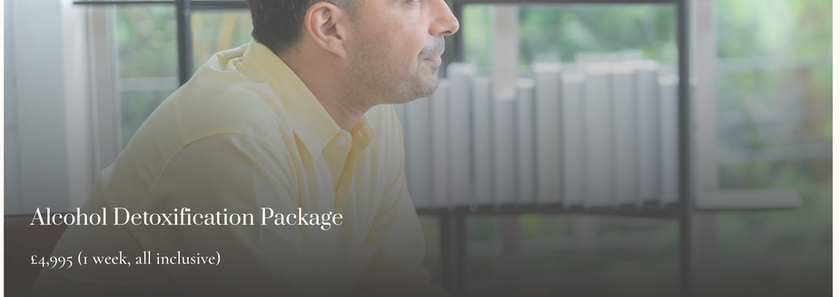
Clinical Detox (Week 1): Managed and supervised by the expert medical team at Equilibrium Project. Detox week priced at £4,995.
-
Recovery Residency (Week 2): A grounding week at Somerton Lodge focused on rest, reflection, and personal growth. Residency week priced at £2,950 (optional, or stand alone).
-
Combined two week stay (detox and residency) £7,150.
-
Recovery Residency 4 week stay discounted to £10,620.
-
Optional Wellbeing Support: Mindfulness, gentle fitness, creative workshops, and nature walks to help you rebuild from the inside out.
-
Peer-Led Recovery Sessions: Connect with people who’ve lived through addiction and start exploring recovery in a safe, supportive environment.
-
Next-Step Planning: Guidance and signposting so you leave with a clear path forward. Includes a year free membership to our Skool Community Platform.
Who It’s For:
-
Anyone who needs alcohol detox but also wants a soft landing afterwards — not just back out the door.
-
People looking for a safe, short break to reset physically and emotionally.
-
Those who’ve relapsed and need a chance to regroup without judgement.
Why Choose Somerton Lodge:
We do things differently. By combining Equilibrium’s clinical expertise with Somerton Lodge’s lived-experience approach, we’ve created a complete two-week reset. Detox safely. Recover in peace. Leave stronger.
At Somerton Lodge, this isn’t just treatment — it’s a fresh start.
Transformational Stays for Mind,
Body & Soul
Somerton Lodge is a sanctuary for restoration, reflection, and renewal — where clinical safety meets a calm and holistic environment, and every stay is infused with purpose.
Our Approach
At Somerton Lodge, you are a guest shaping your own transformation. This is not rehab. There are no imposed schedules or rigid rules — only the freedom to recover on your terms, supported by expert guidance in a safe and holistic environment. Our approach is deeply respectful and empowering to our guests needs.
Our Model
TRIVANA™ is a pioneering model of change that blends neuroscience, emotional healing, social connection, behavioural transformation, and spiritual growth into a single pathway of body–mind–soul integration.
Developed by Charlie Bell, John Elford, and Vicki Haworth — leading experts in addiction treatment and recovery — and grounded in The Architect of Transformation™ & Quintiva™ Frameworks, TRIVANA™ is our combined model of integration, where profound and immersive change begins.
TRIVANA™ blends lived experience with clinical and therapeutic expertise to offer a powerful new route to sustainable, authentic recovery through mapping your own personal recovery journey by design.
The only place to experience TRIVANA™ in its full depth is Somerton Lodge Hotel where guests can join our daily programme.


